
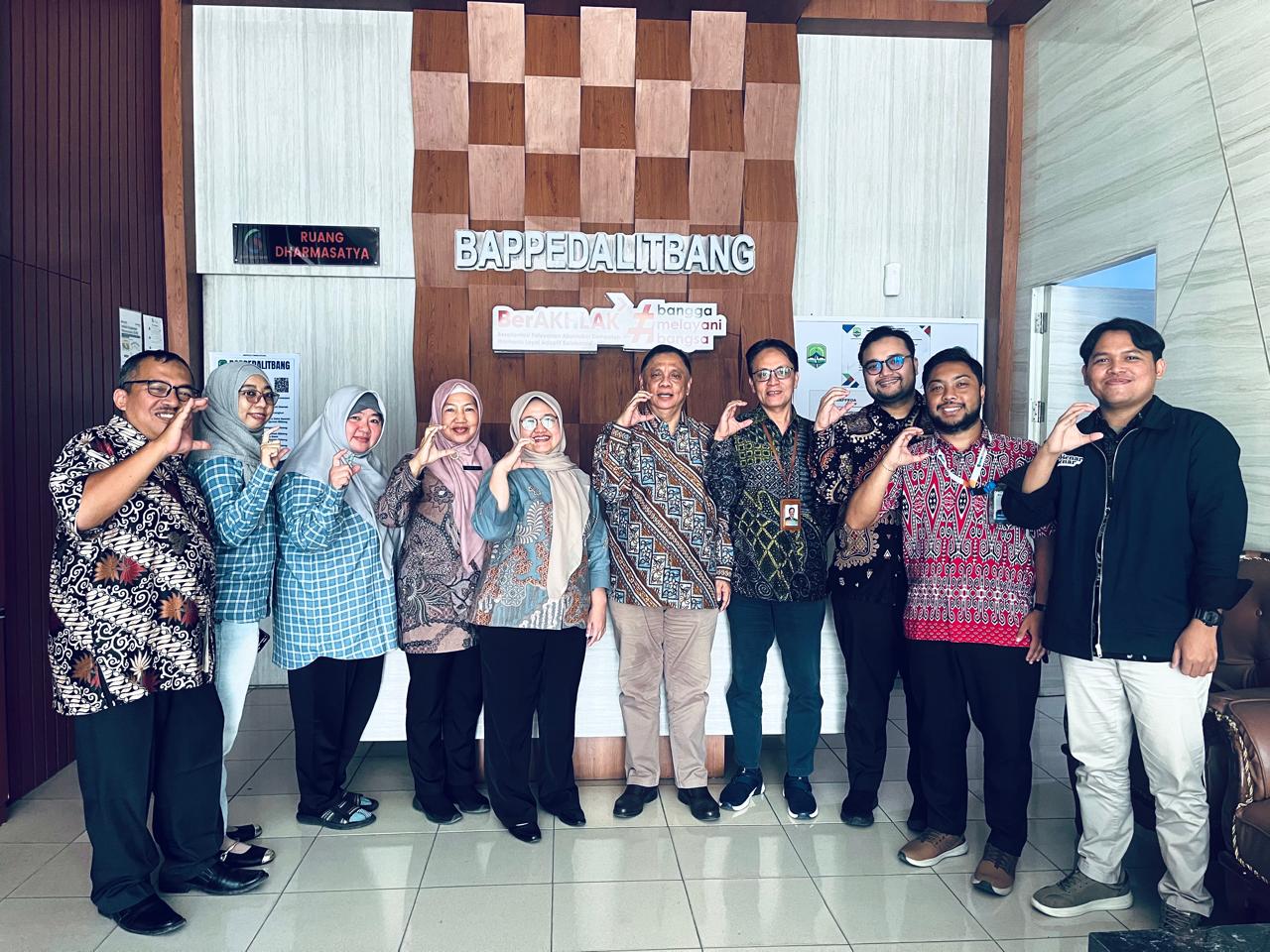
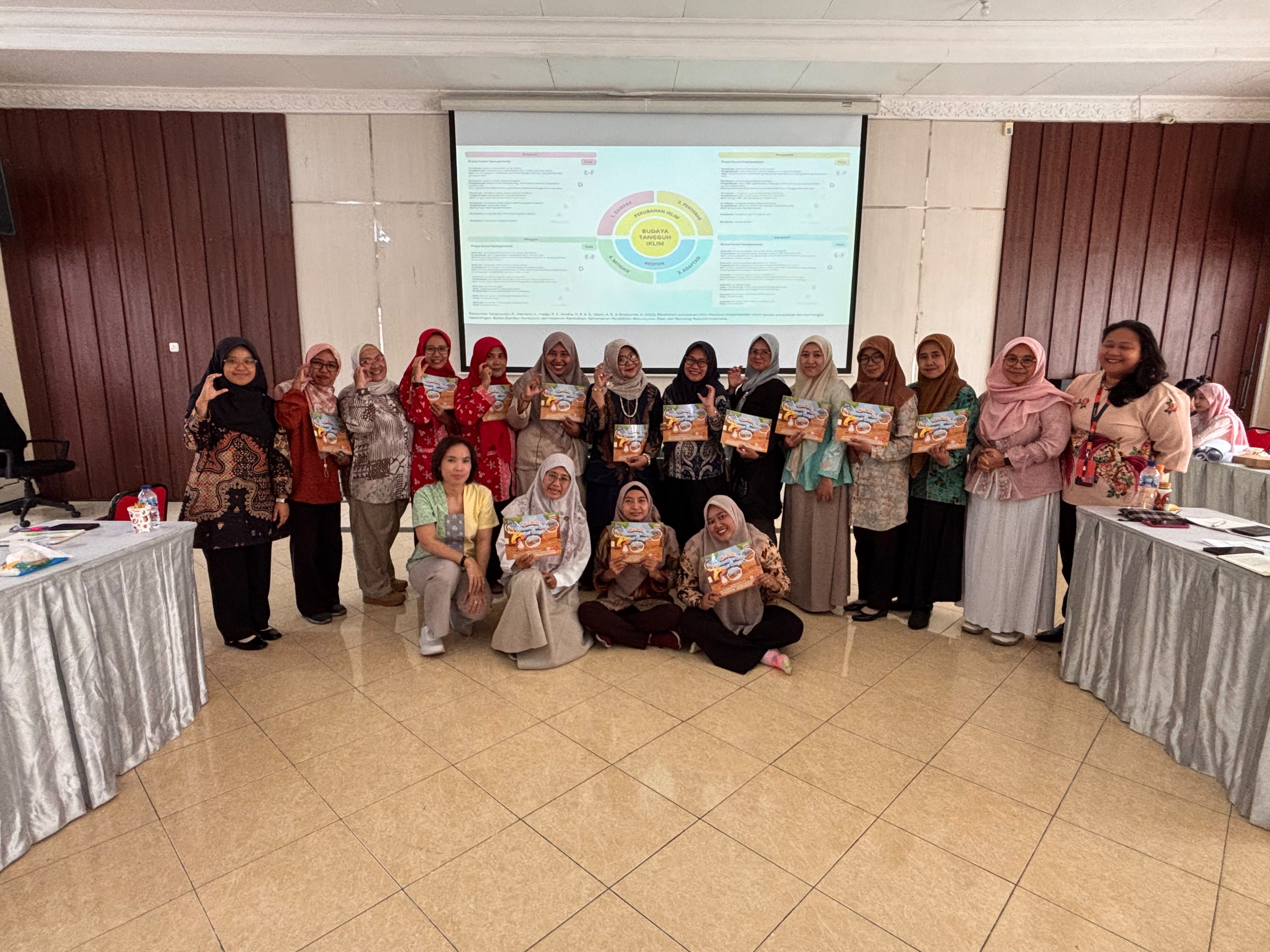
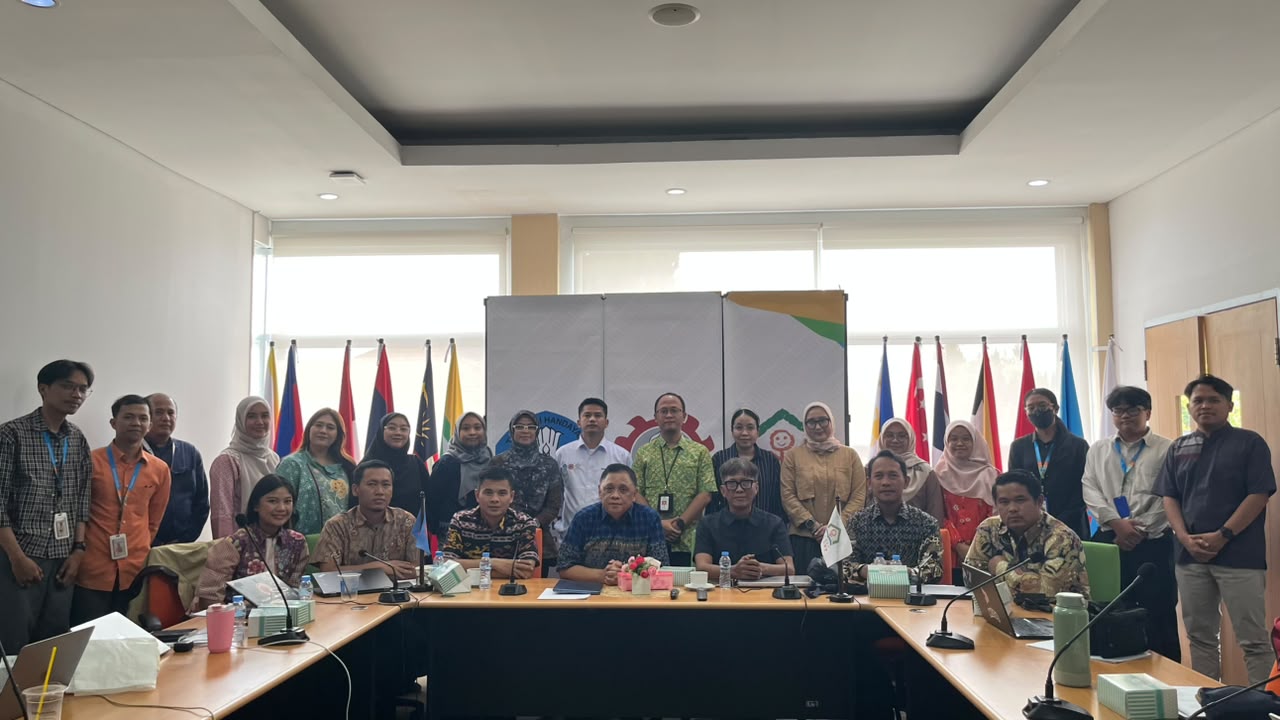
Surabaya, 2 November 2026 – SEAMEO CECCEP, in collaboration with Koalisi PAUD Holistik Integratif (PAUD HI) and Wahana Visi Indonesia, conducted a readability testing activity for a climate change education module designed for Early Childhood Care and Education (ECCE) in Surabaya. Sponsored by Wahana Visi Indonesia and supported by the Surabaya Government, the activity aimed to assess the clarity, relevance, and suitability of the module for early childhood education settings.
The activity brought together early childhood education stakeholders and educators to review the module’s content, learning approaches, and proposed activities. It also provided an opportunity for participants to share feedback on the readability of the materials, including the clarity of concepts, language, instructions, and their relevance to children’s developmental stages.
Through this collaboration, SEAMEO CECCEP and Koalisi PAUD HI highlighted the importance of introducing climate change awareness from the earliest years of life. Resource persons from both institutions shared perspectives on how climate change education can be integrated into early childhood learning through developmentally appropriate and child-centered approaches.
The module emphasizes that climate change education for young children should be introduced in a positive, engaging, and non-threatening manner. Rather than focusing on frightening environmental consequences, educators are encouraged to create meaningful learning experiences that help children recognize changes in their surroundings, understand their relationship with nature, and develop simple habits to care for the environment.
The learning approach also encourages educators to connect climate change concepts with children’s everyday experiences, such as changing weather patterns, rising temperatures, flooding, and coastal tidal flooding (rob). Through play-based and inquiry-oriented activities, children can explore environmental issues in ways that stimulate curiosity, build awareness, and encourage meaningful participation.
Feedback gathered through the readability testing will serve as an important reference for improving the module’s content, language, and learning activities before further implementation. This process is expected to ensure that the module is accessible, relevant, and practical for educators working in early childhood education settings.
Through this initiative, SEAMEO CECCEP, Koalisi PAUD HI, and Wahana Visi Indonesia reaffirm their commitment to strengthening climate-responsive early childhood education and supporting educators in nurturing young children’s awareness, empathy, and care for the environment.
Bagikan Artikel