
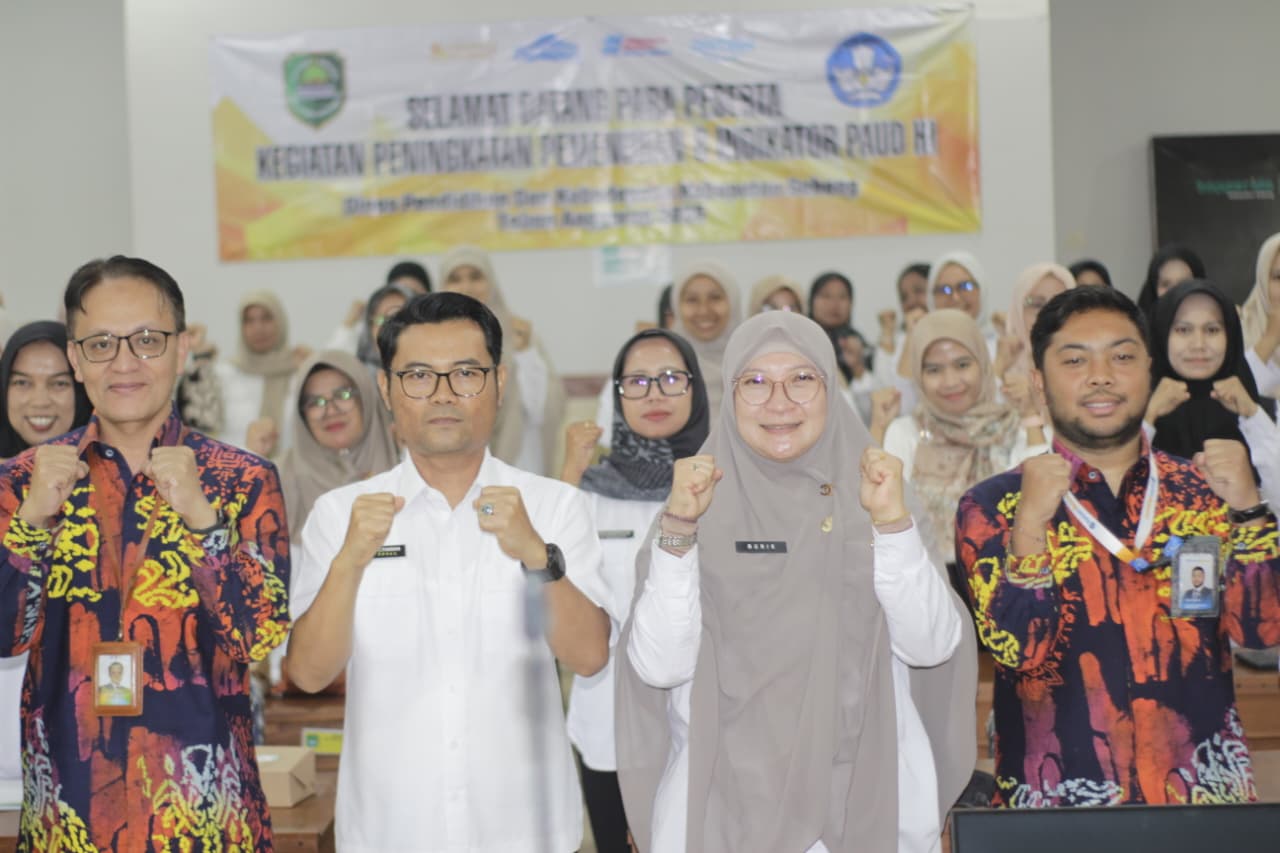
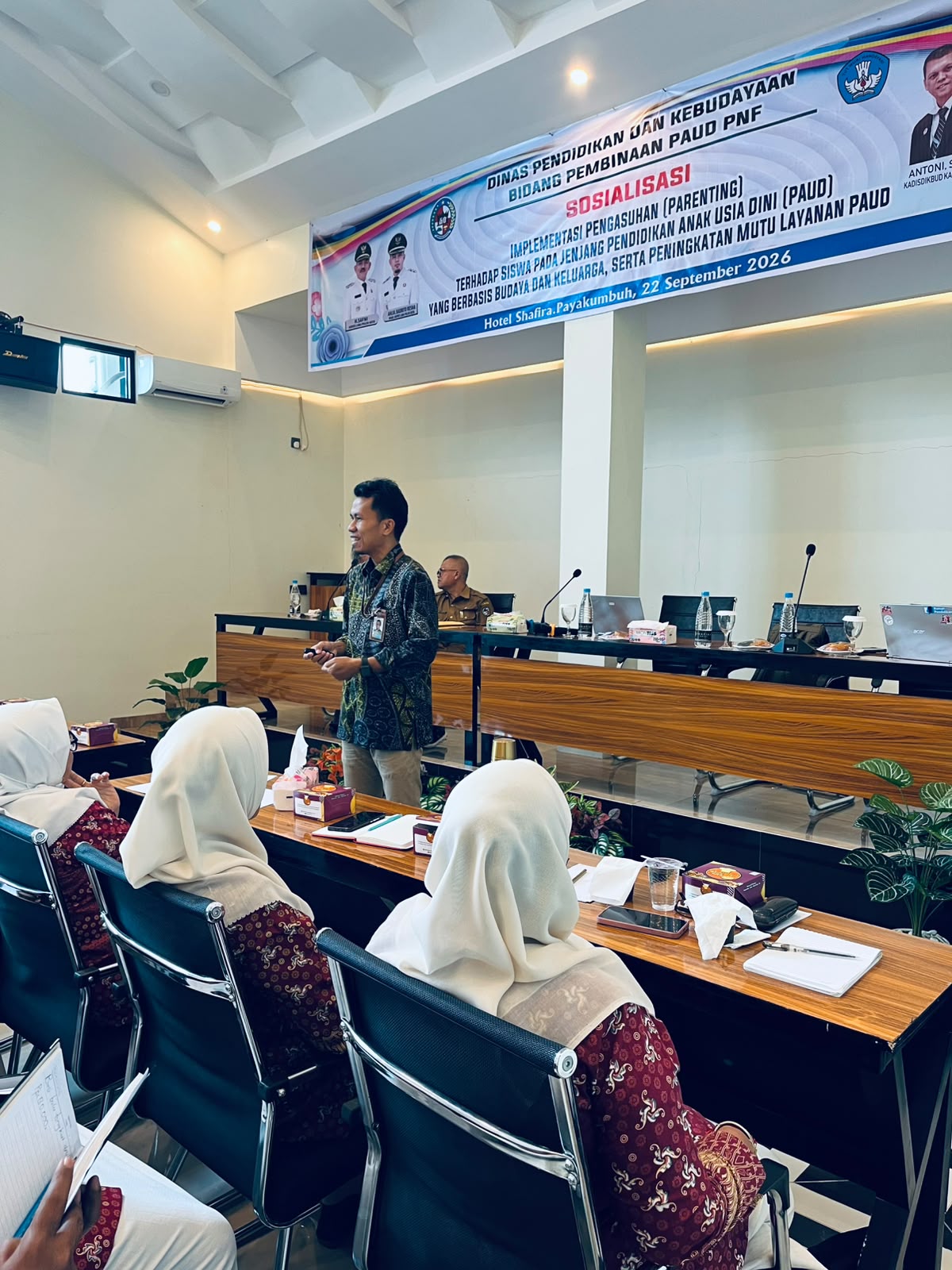
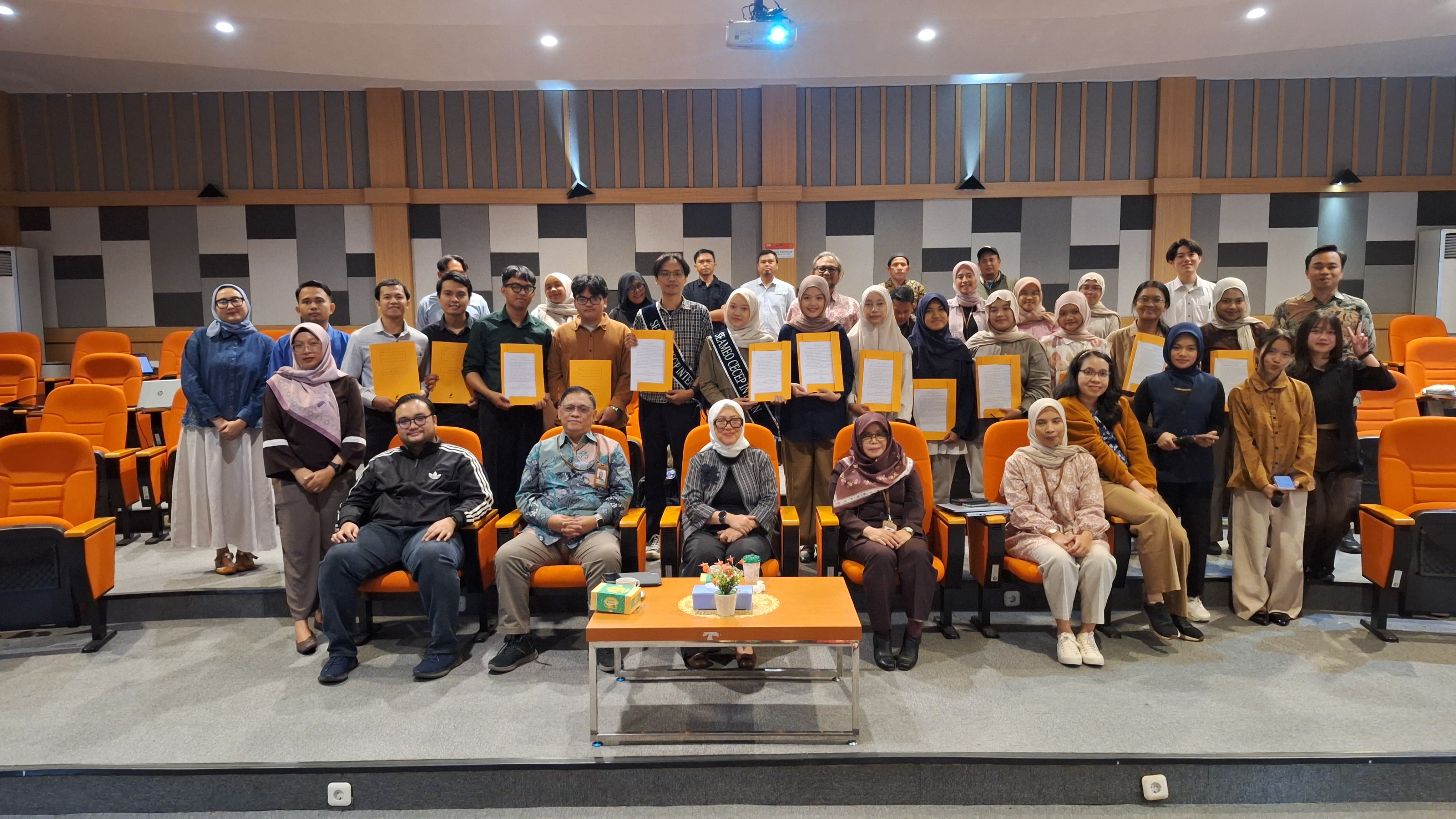
Subang, 8 October 2026 – SEAMEO CECCEP conducted a Training on Strengthening the Capacity of Educators and Local Government Agencies to Support the Implementation of Holistic Integrative Early Childhood Development (PAUDHI) in Subang Regency on 7–8 October 2026. The training was attended by 50 teachers and school principals. It aimed to strengthen educators’ capacity to identify and analyse the essential needs of young children while promoting cross-sector coordination to ensure that service planning and development were increasingly responsive to local conditions.
Early Childhood Development or Pengembangan anak usia dini holistik integratif (PAUDHI) is an approach that addresses children’s essential needs comprehensively and in an integrated manner, encompassing education, health, nutrition, caregiving, protection, and well-being. This approach is aligned with Presidential Regulation No. 60 of 2013 on Holistic Integrative Early Childhood Development.
In practice, PAUDHI is not solely focused on establishing new services or programmes but also on improving the quality, accessibility, and integration of existing services. Early childhood education (ECE) centres play a strategic role as one of the key points of contact for identifying children’s needs and facilitating coordination with relevant services and stakeholders.
At the local level, meeting children’s essential needs requires the involvement of multiple sectors. Efforts to support children’s optimal growth and development, including stunting prevention, cannot rely on the education sector alone. Coordination among the Education Office, Health Office, Social Affairs Office, Regional Development Planning Agency (Bappeda), and local government agencies responsible for women’s empowerment and child protection is essential to ensure that programmes and resources comprehensively address children’s needs.
Through this training, educators strengthened their understanding of the concepts, standards, criteria, and regulations governing PAUDHI. They also learned to identify needs and challenges related to children’s nutrition, health, caregiving, protection, and well-being. In addition, participants developed skills in processing and analysing factual data to map the extent to which children’s essential needs were being met at their respective ECE centres.
The resulting needs assessments were expected to provide a more concrete picture of service conditions at the ECE centre level. The information also served as a basis for discussions among local government agencies (Organisasi Perangkat Daerah or OPDs) and relevant stakeholders to understand implementation challenges from educators’ perspectives and identify areas requiring cross-sector support.
By bringing together the perspectives of educators and local governments, the training encouraged the use of field data as one of the foundations for programme planning, coordination, and resource allocation. This approach was also expected to strengthen collaboration between ECE centres and local government agencies in responding to children’s needs in a more targeted and sustainable manner.
The training featured SEAMEO CECCEP’s teaching team as resource persons. Through this initiative, SEAMEO CECCEP supported efforts to strengthen human resource capacity and cross-sector collaboration in implementing PAUDHI, with the aim of making early childhood services more integrated, inclusive, and responsive to local needs.
Ultimately, implementing PAUDHI requires more than the mere availability of various services. Strong connections between services, a shared understanding of children’s needs, and policy support informed by actual conditions on the ground are essential to ensuring optimal growth and development for young children.
Bagikan Artikel